
By Claire de Chivre, City Center Tenzo (Kitchen Manager)
Editor’s Note: The City Center Tenzo (Kitchen Manager) recently began sending out monthly notes from the kitchen to the City Center residents. We’re sharing one here with the wider sangha. This newsletter offers a glimpse into the philosophy, values, and operations of a Zen kitchen, and how they manifest as practice.
The Same Dish for Everyone
Sharing a meal in a community with varied diets means creating a space where everyone finds what they need without excluding others. This requires simple, flexible dishes that meet different dietary constraints: gluten free, plant based, without eggs or dairy, yet with proteins, fibers, nutrients, and flavor, so that no one is left out. This is a concrete way of practicing respect and solidarity around the table, making the meal a moment of unity.
Word of the Day: Interconnection
To bring people together is to offer each person the possibility of sharing the same dish, whatever their diet may be. It also means recognizing that every ingredient arriving on our plate is the result of interconnections, efforts, and invisible gestures: the Earth, the sun, water, wind, growing conditions, agricultural work, transport routes. Bringing people together also means meeting in the act of cooking itself: preparing together, exchanging gestures and know-how, and creating, around this common activity, a moment of connection and conviviality.
The Plate: Breakfast
A breakfast that is filling, rich in protein, gluten-free and free of animal products can take several forms. For example, a chia seed pudding prepared with plant milk and maple syrup, accompanied by amaranth porridge, roasted nuts, and fresh fruits such as banana and watermelon. Another option: tofu marinated in sesame oil, tamari, and scallions, served with rice porridge and a miso soup with shiitake mushrooms and seaweed. These meals are simple, nourishing, and suitable for those who want to start the day with energy.
Sharing The Meal
The moment of the meal is an opportunity to strengthen community life. By eating the same meal together, we cultivate listening, presence, and the joy of being there for one another.
Featured Ingredient: Amaranth
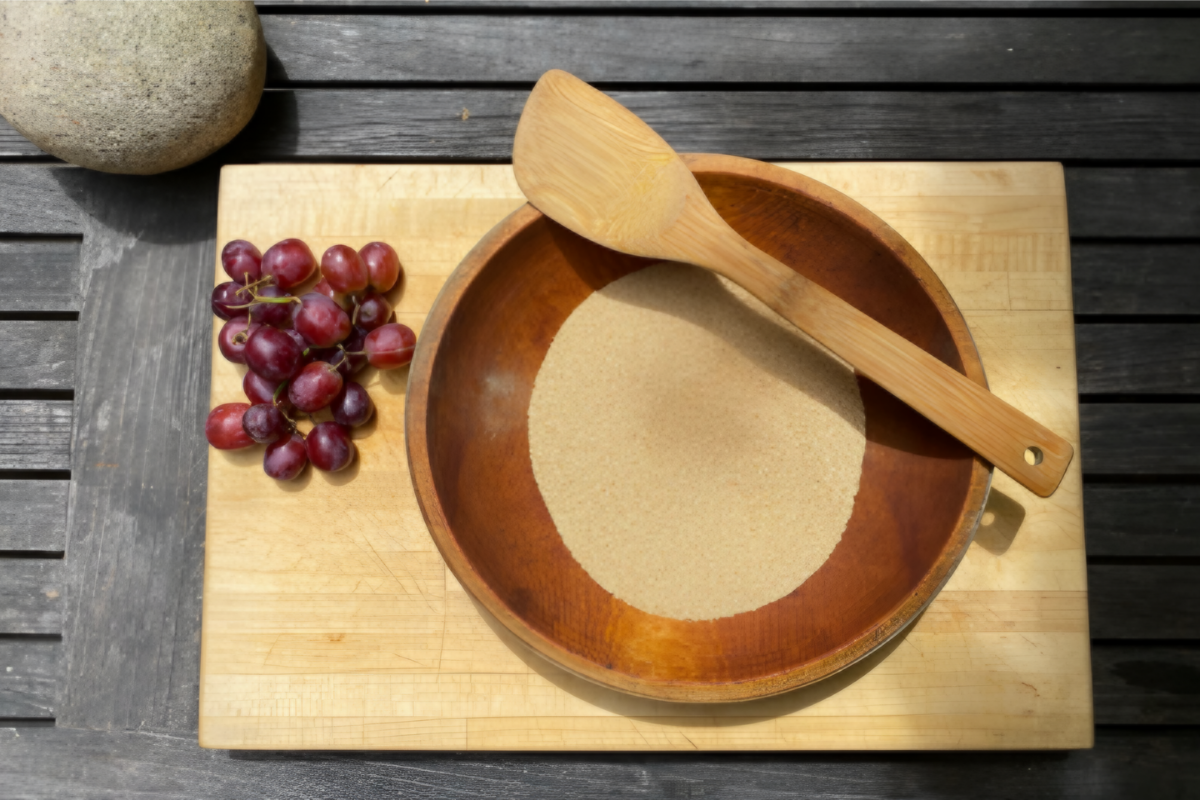
Amaranth comes from Central America, cultivated for more than 5,000 years by the Aztecs and the Incas. It grows even in poor soil and dry climates, which makes it a sustainable and resilient plant. Its seeds are rich in protein, and provide fiber, iron, calcium, magnesium, and lysine, a rare amino acid in common cereals. It is prepared as porridge for breakfast. Its texture is slightly crunchy and its taste mild, almost nutty. Rather than avoiding certain ingredients or seeking complicated alternatives, we choose a simple, nourishing, and earth-respecting ingredient. This concrete gesture is part of daily practice: each dish is an opportunity to act in favor of health, simplicity, and sustainability.
Amaranth
The Community
To accompany roasted vegetables: eggplants, zucchinis, broccoli, delicata squash, sweet potatoes, the kitchen crew prepared several sauces, each specific to the origin of the person who made it. Whether it’s chimichurri, a blend of fresh herbs, garlic, olive oil, and vinegar; a spicy peanut sauce with garlic and chili peppers; herb and garlic butter; sage mayonnaise; or mint sauce, each of these diverse sauces brings a unique touch to the vegetables, reflecting the richness of our influences and our desire to share.
Using Leftovers
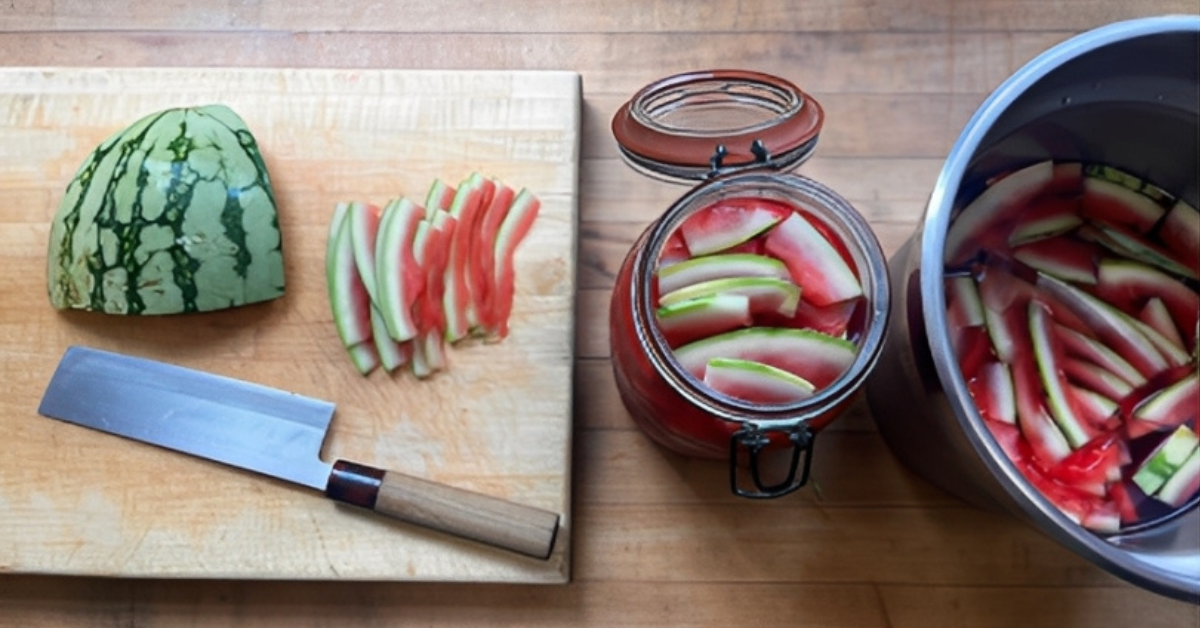
Parsa [a City Center resident] learned cooking from his mother and grandmother in Iran. He makes vinegar with apple cores, pickles with watermelon rinds. Each week, he bakes sourdough bread by incorporating surplus grains.
Pickled Watermelon